Hosted by Heath Fletcher, The Healthy Enterprise explores how innovation, technology, and leadership are reshaping the life sciences industry—from discovery and development to commercialization and care delivery. Each episode features candid, heart-centered conversations with founders, scientists, executives, and investors, sharing real-world experiences and insights for building resilient, future-ready organizations.
All Episodes
Latest Episodes

All Episodes
#77

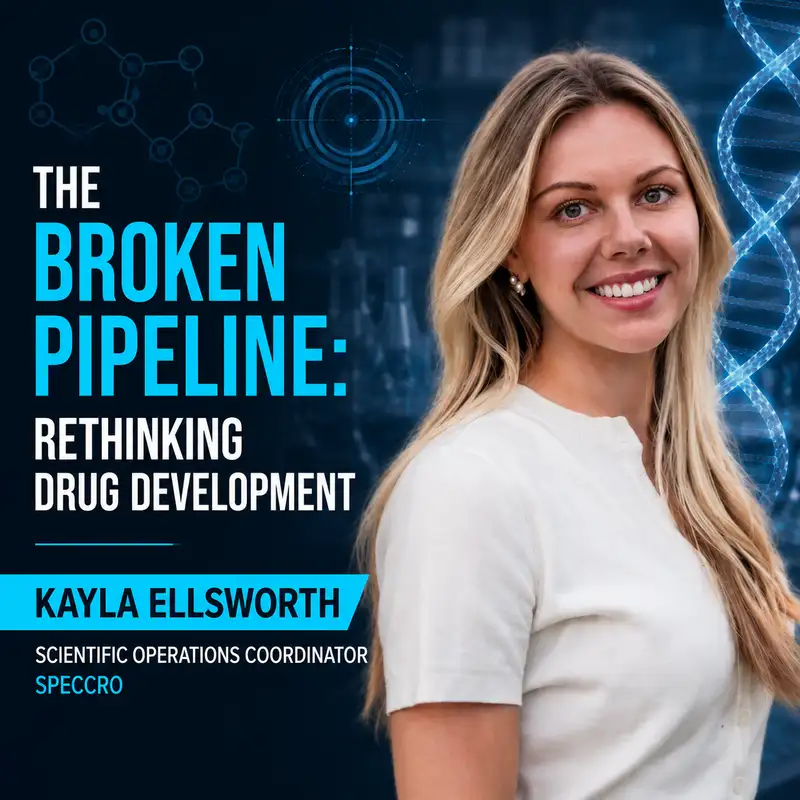
The Broken Pipeline: Rethinking Drug Development

Kayla Ellsworth explores why nearly 90% of drug candidates fail and how New Approach Methodologies (NAMs) are transforming drug development. She explains how technologies like AI, omics, advanced in vitro models, and microphysiological systems better replicate human biology, improving research while reducing reliance on animal testing. The conversation also highlights the importance of innovation, women in leadership, and emerging technologies such as brain-on-a-chip that are shaping the future of healthcare. Chapters: 00:00 The Drug Development Crisis 09:08 Introducing New Approach Methodologies (NAMS) 17:53 Exploring NAMS: In Silico to Microphysiological Systems 25:19 Dynamic Microphysiological Systems 26:39 Evidence of Effectiveness in Drug Development 28:48 Speeding Up Drug Development Processes 30:42 Integrating New Approaches in Drug Development 32:17 The Future of Animal Testing 34:21 Women in Leadership and Industry 39:43 Role of Speccro in Drug Development 42:35 Innovations on the Horizon Guest Information: Guest's Name: Kayla Ellsworth Guest's Title/Position: Scientific Operations Coordinator LinkedIn: https://www.linkedin.com/in/kayla-ellsworth-18a2841a0/ Company / Affiliation: SPECCRO https://speccro.com/ Guest's Bio: Kayla Ellsworth is the Scientific Operations Coordinator  at SPECCRO, where she helps connect biotechnology and pharmaceutical companies with innovative preclinical research solutions. Passionate about advancing human-relevant drug development, she works with industry leaders to promote emerging technologies such as organ-on-chip models, iPSCs, and New Approach Methodologies (NAMs). Through her work, Kayla helps foster collaborations that are shaping the future of safer, more predictive drug discovery. Takeaways: The drug development process is failing with a 90% failure rate. NAMS offer innovative solutions to improve drug development. Animal testing is outdated and needs to be replaced. In silico methods use computational modeling for predictions. Omics provides a system-wide insight into biological responses. Spheroids and organoids are advanced models for research. Microphysiological systems are engineered for precise interactions. Networking and taking risks can lead to career opportunities. Effective communication is key in scientific discussions. The future of drug development lies in innovative methodologies.  Microphysiological systems mimic blood flow and bodily fluids. These systems are widely used in early drug development. They can save time and money in drug development processes. Not all questions require a microphysiological system. Speccro helps companies incorporate NAMS into their drug development. The goal is to reduce animal studies in drug development. Women supporting women in the industry is crucial for the future. The role at Speccro is dynamic and evolving. Brain on chip devices have immense potential for research. The opportunities for NAMS are truly endless. The Healthy Enterprise Podcast is produced by Bullzeye Global Growth Partners  https://bullzeyeglobal.com/
#76

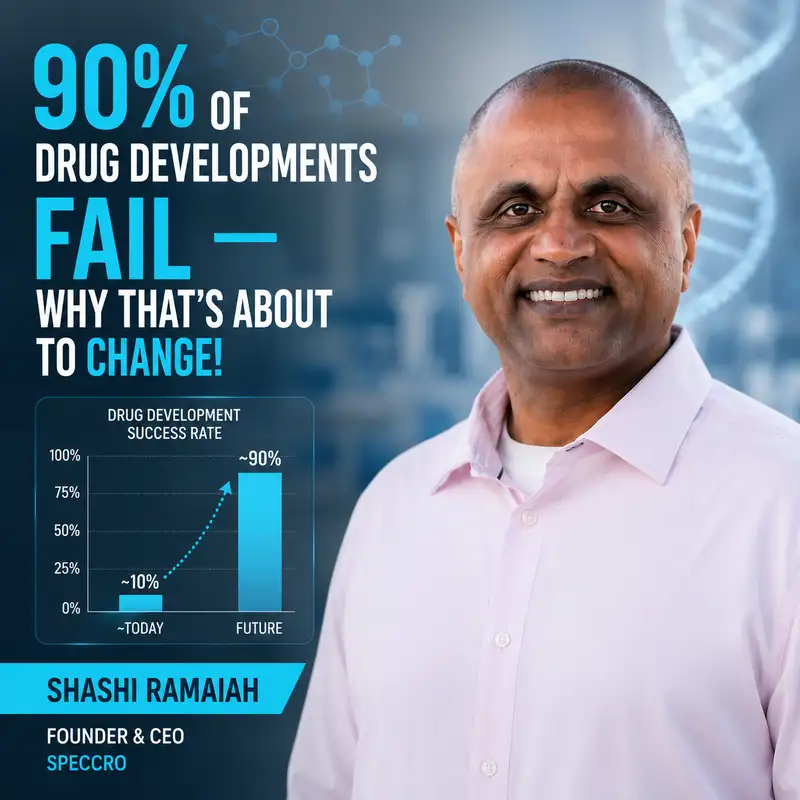
90% of Drug Developments Fail — Why That's About to Change!

In this episode, Shashi Ramaiah discusses how outdated drug development practices and regulatory complexity can slow innovation and delay patient access to new therapies. He explains how SPECCRO combines traditional drug development expertise with emerging technologies such as AI, machine learning, organoids, and advanced in vitro models to improve decision-making, reduce risk, and accelerate development timelines. The conversation explores the challenges facing biotech startups, the importance of practical problem-solving, and how collaboration and new technologies are helping shape the future of medicine. Chapters: 00:00 The Challenge of Drug Development 04:00 Bridging Innovation and Regulation 08:43 Integrating New Approaches in Drug Development 12:28 The Role of Speccro in Drug Development 18:40 Building a Team and Client Relationships 23:23 Leveraging Technology and Data 28:18 Onboarding Clients and Problem Solving 31:28 Future Aspirations and Resilience in Startups Guest Information: Guest's Name: Shashi Ramaiah Guest's Title/Position: Founder & CEO LinkedIn: https://www.linkedin.com/in/shashi-ramaiah/ Company / Affiliation: SPECCRO https://speccro.com/ Guest's Bio: Shashi Ramaiah is a drug development executive, scientist, and entrepreneur with deep expertise in preclinical safety, translational pharmacology, toxicology, and regulatory science. He has authored more than 75 peer-reviewed publications and has led drug development programs across academia, biotech, and the pharmaceutical industry. As Founder and CEO of SPECCRO, Shashi is advancing a modern approach to drug development by combining scientific expertise with innovative tools such as New Approach Methodologies (NAMs), advanced in vitro systems, and AI-driven technologies. Through SPECCRO, he helps organizations accelerate development, improve clinical translation, and bring safer therapies to patients more efficiently. Takeaways: Traditional animal models often fail to reflect human biology. There is a need for clear regulatory pathways for new methodologies. Drug development is at a breaking point, requiring innovative solutions. Speccro aims to bridge the gap between innovation and regulation. Startups must unlearn decades of industry thinking to adapt. Practical implementation of new technologies is crucial. Building a strong team is essential for startup success. Leveraging technology and data can enhance drug development processes. Client onboarding should focus on problem-solving and milestone achievements. Resilience and adaptability are key for startups in challenging economic times. The Healthy Enterprise Podcast is produced by Bullzeye Global Growth Partners  https://bullzeyeglobal.com/
#75

The Breach is Coming! Are You Ready? — Cybersecurity Strategies for Healthcare Organizations

In this conversation, Carlos Castan, a fractional CIO, discusses the critical cybersecurity challenges facing healthcare organizations. He emphasizes the importance of compliance with HIPAA regulations, the need for proactive cybersecurity measures, and the role of education in preventing breaches. Carlos also highlights the evolution of his company, DataWorks LLC, and the significance of combining AI with human intelligence to enhance cybersecurity. He shares insights on the future of healthcare IT services and the necessity for organizations to adopt a proactive approach to IT management. Chapters: 00:00 The Cybersecurity Crisis in Healthcare 02:58 Understanding the Role of a Fractional CIO 05:53 The Importance of Compliance and Cybersecurity 08:48 Proactive Measures Against Cyber Threats 11:55 The Human Element in Cybersecurity 14:58 The Evolution of DataWorks 18:04 AI vs. Real Intelligence in Cybersecurity 20:50 Navigating Compliance and Certification 23:52 The Future of Healthcare IT Services 27:07 The Need for Proactive IT Management 30:00 Scaling Healthcare IT Solutions 33:01 The Vision for the Future of Healthcare IT Guest Information: Guest's Name:  Carlos Castan Guest's Title/Position: Co-Founder & Managing Partner Guest's Linkedin: https://www.linkedin.com/in/carlos-castan/ Company / Affiliation: DataWorks LLC https://dataworksllc.com/ Guest's Bio: Carlos Castan is the Co-Founder and Managing Partner of DataWorks LLC, a technology consulting and managed services firm that helps organizations align technology investments with business goals. With decades of experience in IT strategy, infrastructure, cybersecurity, and business consulting, Carlos specializes in helping organizations modernize operations, strengthen security, and leverage technology as a driver of growth and organizational impact. Through DataWorks' unique Technology–Impact–Goals (TIG) framework, he works closely with healthcare organizations, professional services firms, and growing businesses to develop practical technology strategies that support long-term success  Takeaways: Healthcare is a prime target for cyberattacks. Many healthcare organizations lack the necessary technology expertise. Compliance with HIPAA is crucial to avoid hefty fines. Cybersecurity breaches can severely damage an organization's reputation. Employee training is essential to prevent cyber threats. AI can enhance cybersecurity but should not replace human intelligence. Proactive IT management can prevent costly breaches. Healthcare organizations need to allocate funds effectively for IT. The demand for healthcare IT services is growing rapidly. Building a network of experts is vital for effective IT management. The Healthy Enterprise Podcast is produced by Bullzeye Global Growth Partners  https://bullzeyeglobal.com/
#74

The Founder's Dilemma: Why Great Science Isn't Enough!

Katrina Rogers has spent her career helping biotech innovators navigate one of the toughest journeys in business: turning scientific breakthroughs into successful companies. In this episode, she shares why great science alone rarely guarantees success, the hidden challenges that cause promising startups to stall, and the critical role advisors, investors, and strategic networks play in bringing new therapies to market. From fundraising and founder psychology to commercialization and leadership, Katrina offers an inside look at what it really takes to move a biotech company from discovery to exit—and why the biggest obstacles are often the ones founders never see coming. Chapters: 00:00 The Loneliness and Rewards of Founding 01:00 Navigating the Life Sciences Ecosystem 09:57 The Role of Advisors in Drug Development 19:02 Challenges in Fundraising and Pitching 21:20 Building a Convincing Business Case 22:35 Preparing Founders for Success 25:26 The Importance of Education in Entrepreneurship 27:12 Understanding Founder DNA and Team Dynamics 30:16 Trust and Relationships in Investment 31:35 Crafting the Perfect Pitch 35:32 Networking and Community Building 39:08 The Role of Mentorship in Capital Readiness 41:05 Future Endeavors and Learning Opportunities Guest Information: Guest's Name:  Katrina Rogers Guest's Linkedin: https://www.linkedin.com/in/katrinarogers/ Company / Affiliation: Katrina Rogers Consulting https://krogersconsulting.com/ Guest's Bio: Katrina Rogers is the Founder and CEO of Katrina Rogers Consulting, where she advises biotech and life sciences companies on strategy, drug development, commercialization, and organizational growth. With more than 20 years of experience across pharmaceutical research, operations, and business leadership, she helps founders and executives navigate complex challenges, build high-performing organizations, and bring innovative therapies to market. An analytical chemist by training, Katrina is recognized for her ability to bridge science, business strategy, and stakeholder engagement to drive meaningful results.  Takeaways: Being a founder is incredibly lonely but rewarding. Navigating drug development requires expertise in complex biology. Many founders lack the necessary skills for drug development. The contract service industry is crucial for biotech startups. Smaller biotech companies are increasingly driving innovation. Founders often struggle with sales and marketing skills. It's important for founders to recognize when to delegate roles. Advisors can provide critical insights to struggling founders. The fundraising process can be challenging for technical founders. Founders must adapt their vision based on market readiness.  Founders need a convincing business case to attract investors. It's crucial to prepare founders for the challenges ahead. Education plays a vital role in guiding entrepreneurs. Understanding founder DNA is key to evaluating teams. Trust is essential in the investment process. Crafting a pitch is about getting to the next meeting. Networking is invaluable for building relationships. Mentorship can significantly enhance capital readiness. Community support is crucial for startup success. Continuous learning is necessary for entrepreneurs. The Healthy Enterprise Podcast is produced by Bullzeye Global Growth Partners  https://bullzeyeglobal.com/
#73

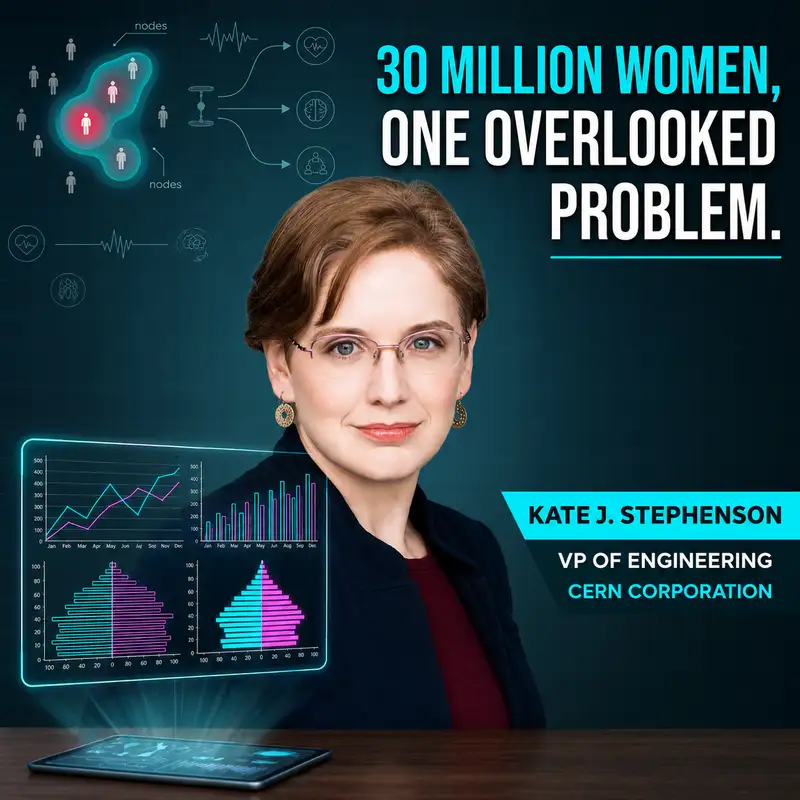
30 Million Women, One Overlooked Problem with Dr. Kate Stephenson

Dr. Kate Stephenson explores the often-overlooked reality of women’s health—particularly vaginal infections that impact millions each year—and why better solutions are long overdue. She introduces CERN’s innovative device, designed to treat these conditions without the side effects of traditional medications, and breaks down the science behind how it works. The conversation also tackles the cultural stigma that keeps these issues in the shadows, the regulatory hurdles of bringing new medical technologies to market, and the importance of building strong networks to advance women’s health innovation. Kate shares her journey as a female engineer and entrepreneur in a male-dominated field, offering insight into resilience, leadership, and the need for more diverse, patient-centered solutions. Chapters: 00:00 The Unspoken Health Crisis for Women 03:00 Innovative Solutions in Women's Health 06:06 Breaking the Silence: Cultural Barriers in Women's Health 08:56 The Science Behind the CERN Device 11:56 Navigating Regulatory Challenges 14:52 The Journey of a Female Engineer in MedTech 17:50 Building a Network for Change 22:47 Navigating Women's Health in Tech 28:53 Overcoming Challenges as a Woman in Engineering 36:40 The Journey of Entrepreneurship and Consulting 41:36 Building Connections in the Bullpen Network 45:58 Future Directions for CERN and Personal Growth Guest Information: Guest's Name:  Dr. Kate Stephenson Guest's Title/Position: VP Engineering Guest's Linkedin: https://www.linkedin.com/in/dyadengineering/ Company / Affiliation: CERN Device https://cerndevice.com/ Guest's Bio: Dr. Stephenson is a Stanford Engineering PhD with a deep technical consulting background in the design and development of products at life science startups. She has a twenty-year history of strategic early-stage technical projects in a wide range of novel medical products, including medical device, digital health, drug delivery and pharma. A long-term resident of California’s Silicon Valley, her active network spans the life sciences community, including R1 academic centers, major strategics, investors, and startups. Her three key areas of expertise include evaluation of regulated medical products, entrepreneurship education and technical writing. Takeaways: 30 million women visit doctors for vaginal infections annually. Vaginal infections are the second leading cause for women in the ER. Current treatments for vaginal infections have not evolved in 40 years. CERN Corporation is developing a device to treat vaginal infections using microbicidal light. Cultural stigma prevents women from discussing their health issues. Women often receive incorrect diagnoses for vaginal infections. The CERN device is designed for home use with no drugs involved. The device uses blue light to target specific pathogens safely. Regulatory challenges exist in bringing innovative women's health devices to market. Networking and education are crucial for advancing women's health initiatives.  I am calling the shots and organizing the engineering teams. The end result is helping women get over these health issues. We need to come up not with just one solution, but with a dozen options. The ultimate intent of this product is it's a home use product. The doctors hate it because literally it is the bare bottom value they offer. I joined the boys wrestling team my senior year to support a friend. I realized I had gone through four years of engineering education without a female professor. I want other women engineers to experience being taught by a woman. I'm the kid whose friend got bullied and I took action. I appreciate going to some of these events for networking. The Healthy Enterprise Podcast is produced by Bullzeye Global Growth Partners  https://bullzeyeglobal.com/